Learning how to design, permit, and build better ADUs and visiting existing units in Raleigh
June 6, 2026 at AIA Triangle Center for Architecture and Design (Professional Training) & Five ADUs in Raleigh (Tour)
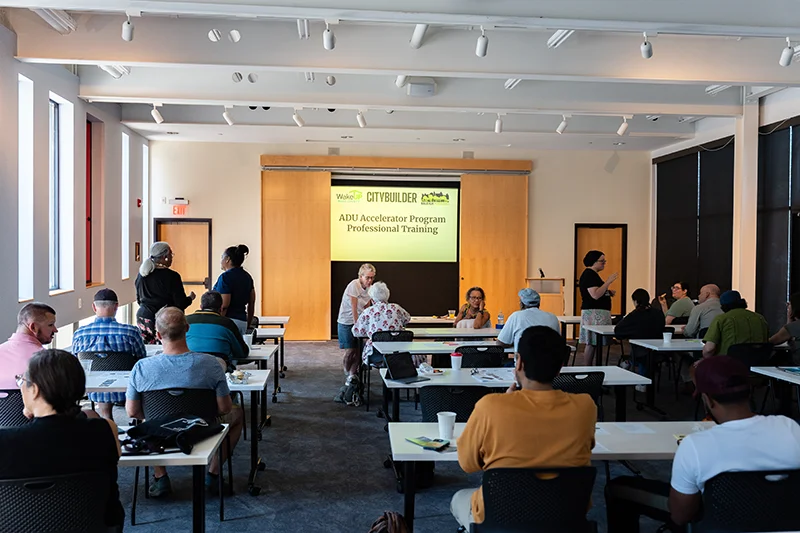
In collaboration with RaleighForward and CITYBUILDER, WakeUP Wake County hosted an ADU Accelerator Program Professional Training and tour of five ADUs. According to the North Carolina Housing Finance Agency, our state has a housing gap of about 764,000 units (322,000 rental units and 442,000 units for purchase). ADUs are one part of the solution to this shortage. Those who participated in the training and tour were eager to discuss what has been learned from the first generation of ADUs built under Raleigh's 2020 reforms.
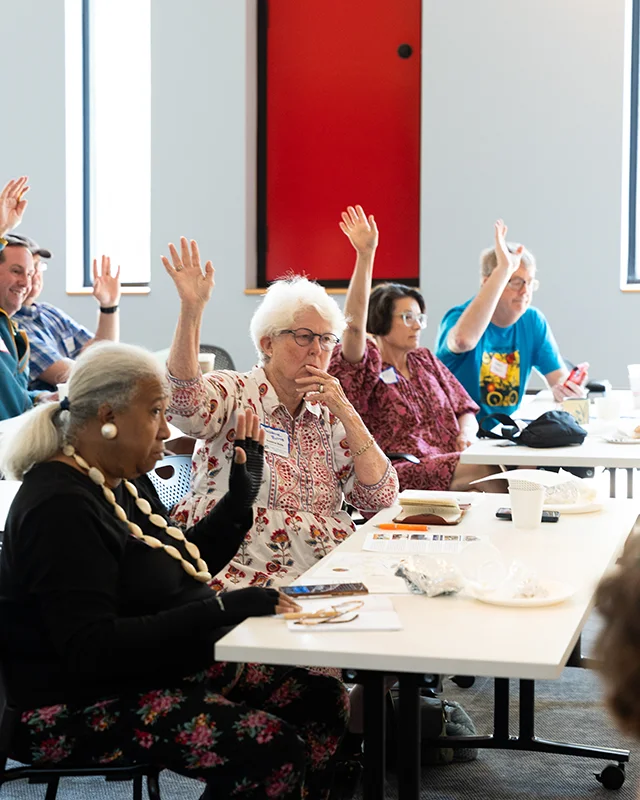
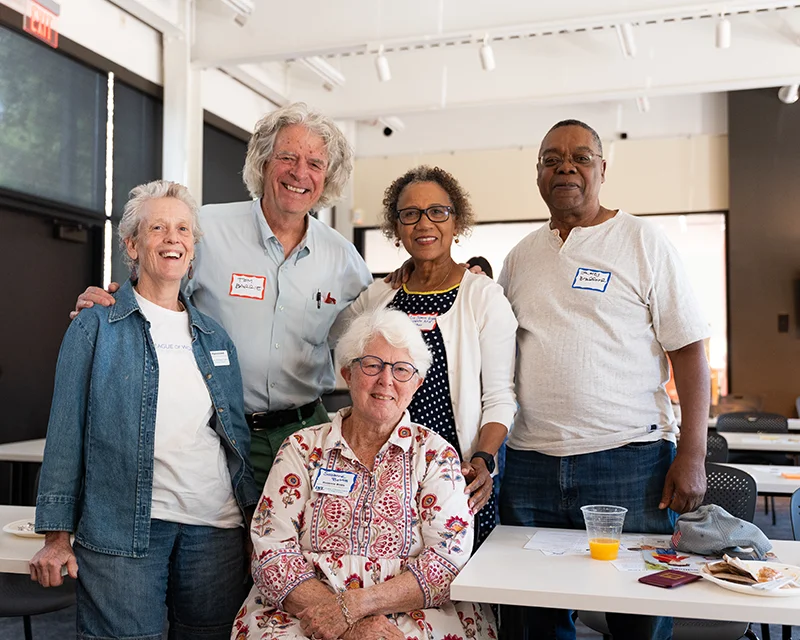
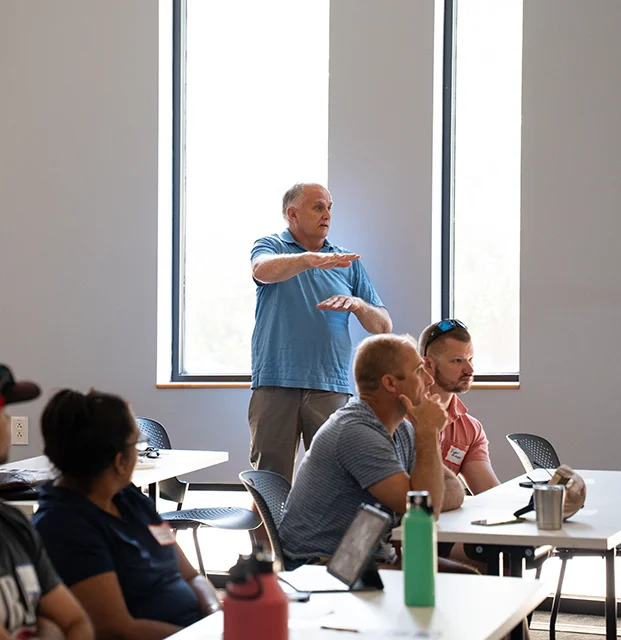
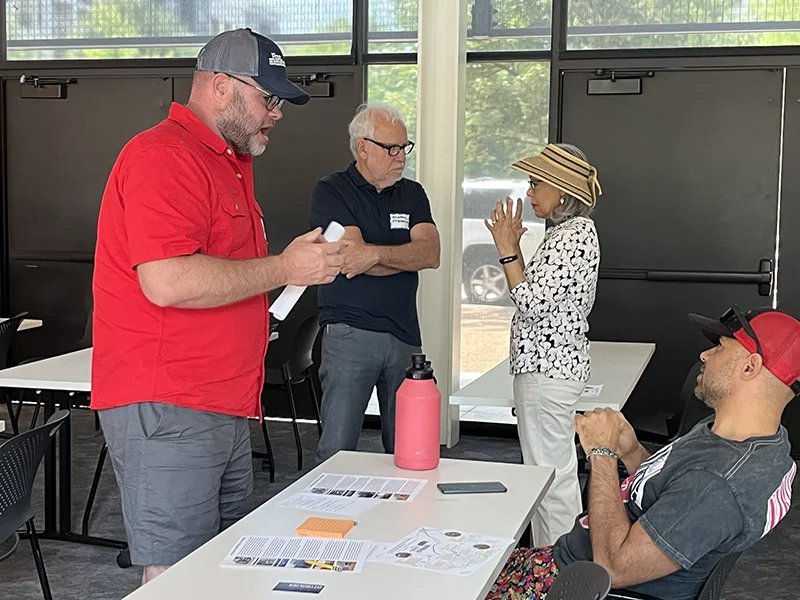
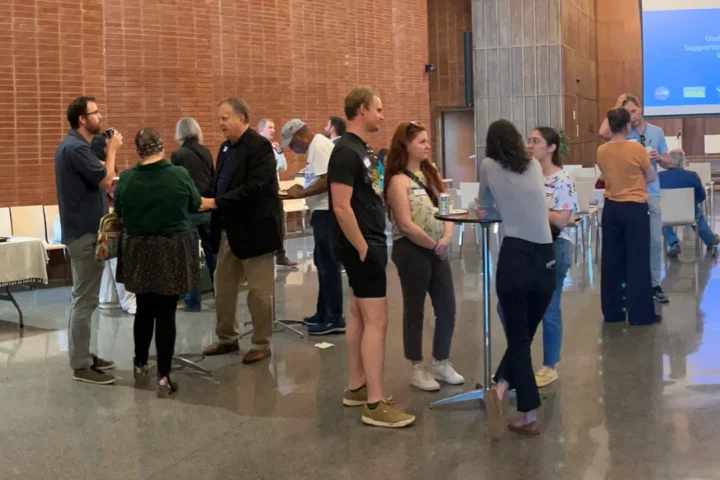
During the morning’s training, experts shared practical lessons from completed ADU projects, as well as detailed information on zoning and permitting, site planning, construction logistics, sustainability strategies, and common challenges with approximately 50 attendees. A panel discussion and fruitful conversations with fellow members of the community followed. Our speakers included: Trent Mollison, Senior Planner, City of Raleigh Zoning Team/Land Division; Aaron Lubeck and Jenn Truman, The Rocket Shop; and Joel Lubell, Armature Design Build.
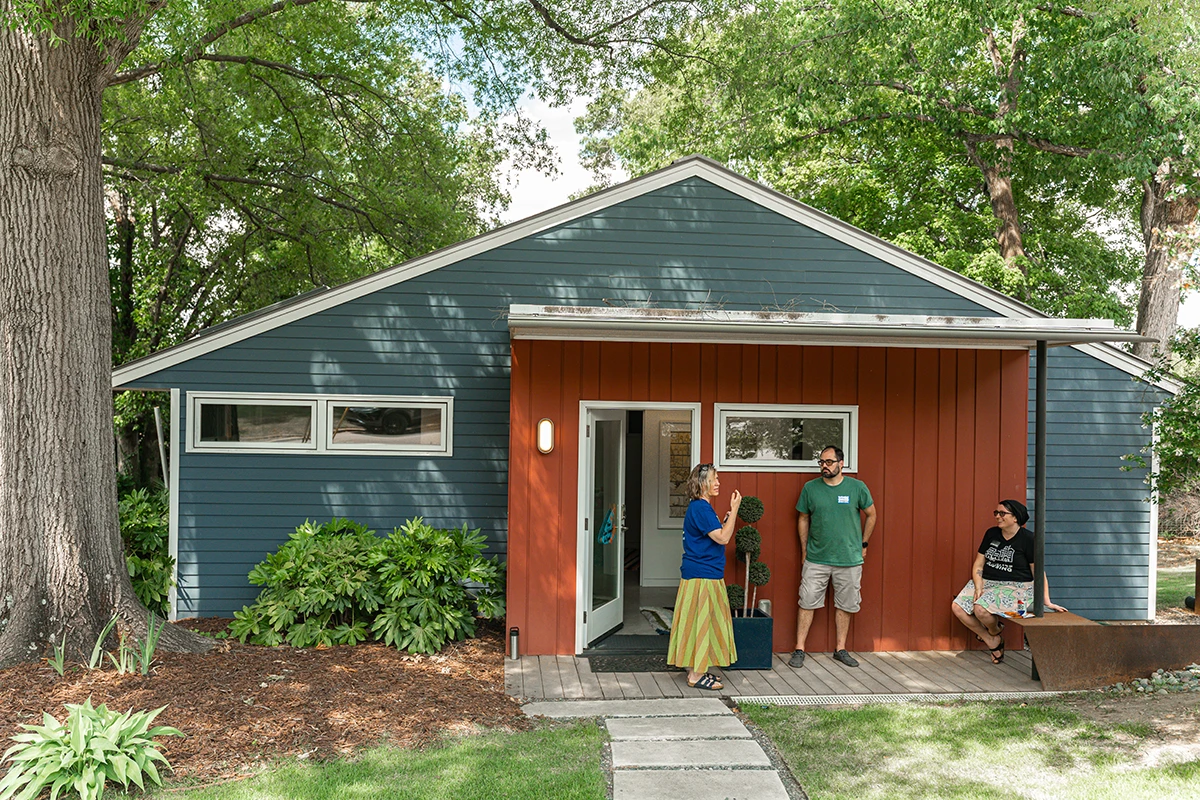
A self-paced ADU Sustainability Tour was held that afternoon, and five accessory dwelling units of different types (attached, detached, and internal) were open to the public. Square footage of the units ranged from 300–1,200+ sq. ft.